4 THINGS THAT ARE SECRETLY RUINING YOUR OUTDOOR GEAR WITHOUT YOU REALISING (AND HOW TO AVOID THEM)
When you invest in quality outdoor clothing, you expect it to keep you warm, dry and comfortable for years to come. But even the best waterproof jackets need a little care to perform at their best.
The surprising part? Some of the most common habits people have when washing, drying and storing their kit can actually shorten its lifespan without you even realising.
The good news is that these mistakes are easy to avoid. By understanding how technical fabrics work and looking after them properly, you'll get better performance from your gear and help it last for many more adventures.
Here are four gear care mistakes we see the most:
1. Washing your gear with household detergents


This is one of the most common misconceptions in outdoor gear care.
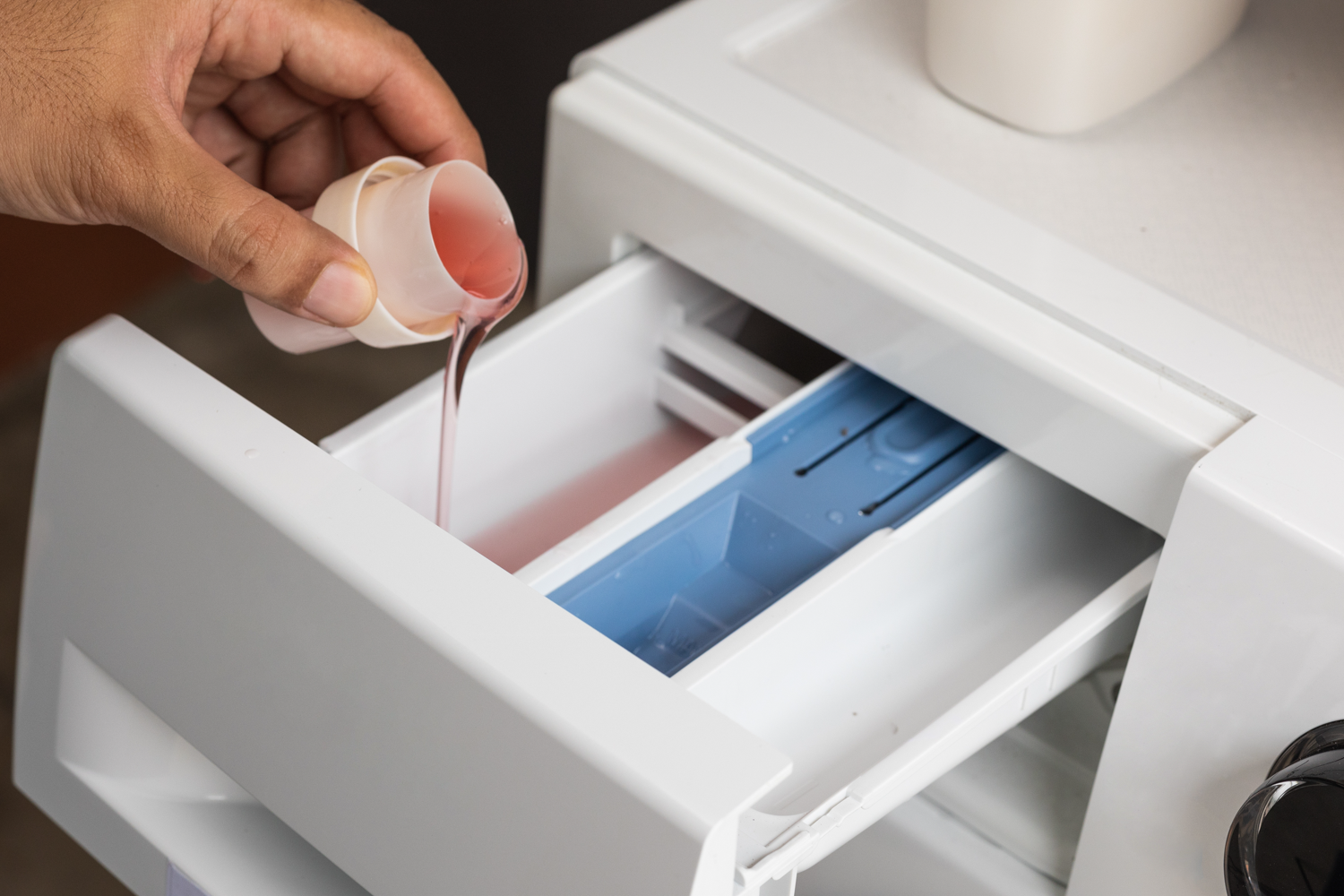
Regular household detergents are designed for everyday clothing, not technical outdoor fabrics. Many contain ingredients such as optical brighteners, fragrances, fabric softeners and powerful surfactants that can leave residues behind after washing.
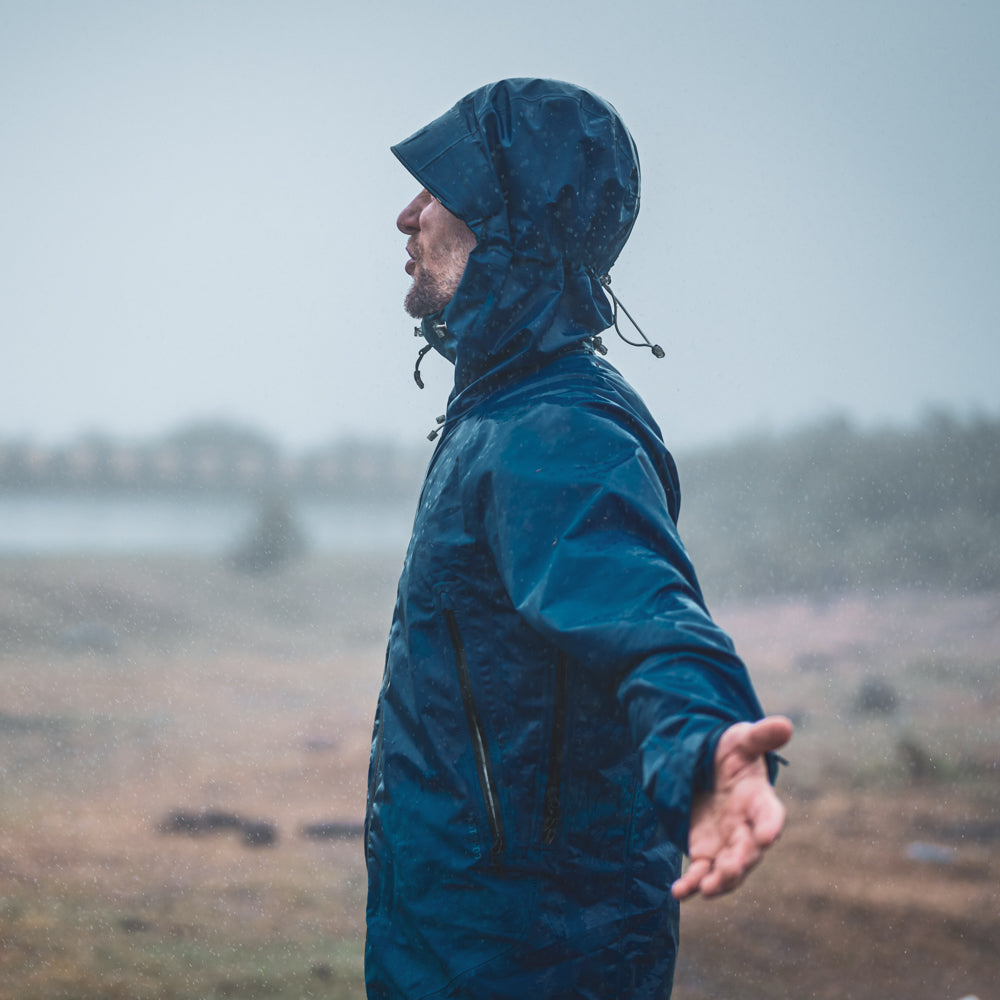
These residues interfere with how technical fabrics perform. They can reduce the effectiveness of the Durable Water Repellent (DWR) finish, encourage the outer fabric to absorb water more readily and affect how efficiently moisture vapour moves through the fabric. The result is a jacket that feels less breathable and wets out much quicker in the rain.
Most waterproof jackets rely on two things to keep you dry:
- A waterproof membrane that stops rain getting in while allowing moisture vapour from sweat to escape.
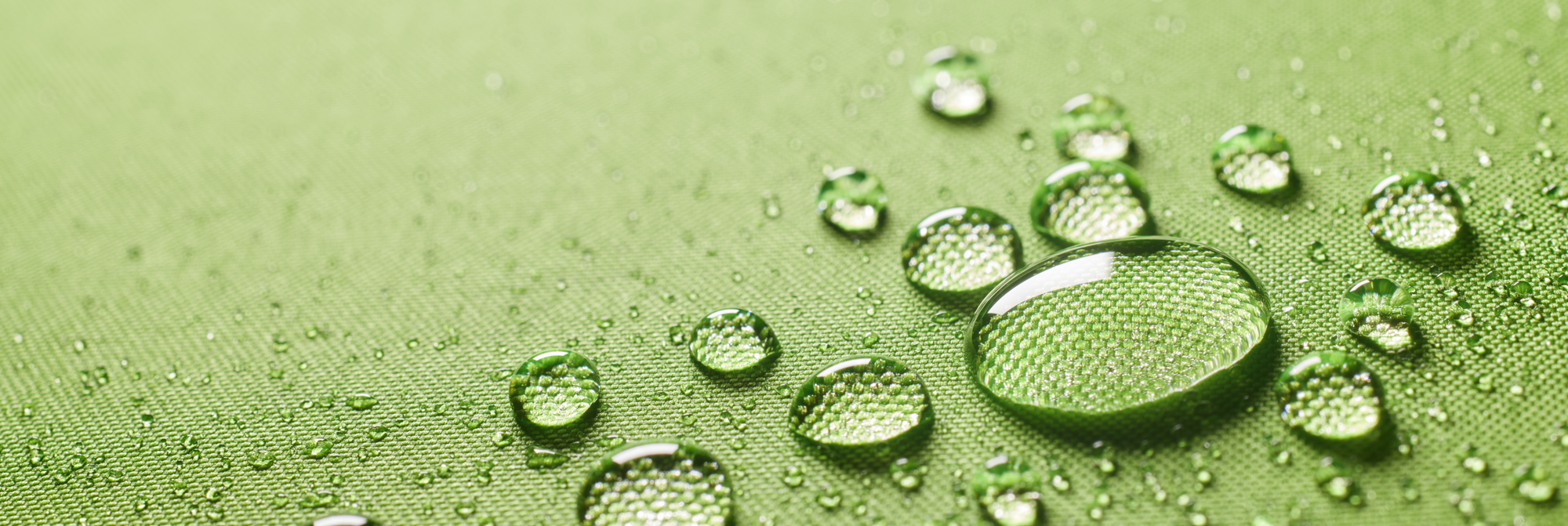
- A Durable Water Repellent (DWR) finish on the outer fabric that causes rain to bead up and roll off the surface.
When the DWR is compromised, the outer fabric (known as the face fabric) begins absorbing water instead of repelling it. This is known as wetting out. Although the waterproof membrane underneath is still preventing rain from getting through, the saturated face fabric makes it much harder for moisture vapour to escape. That means you can end up feeling damp and clammy inside your jacket, even though it's still technically waterproof.
Instead, use a cleaner specifically designed for technical outdoor clothing. These remove dirt and contaminants without leaving behind residues, helping your waterproofs continue performing as they were designed to.
2. Skipping the tumble dryer
It sounds counterintuitive, but avoiding the tumble dryer altogether isn't always the best choice.
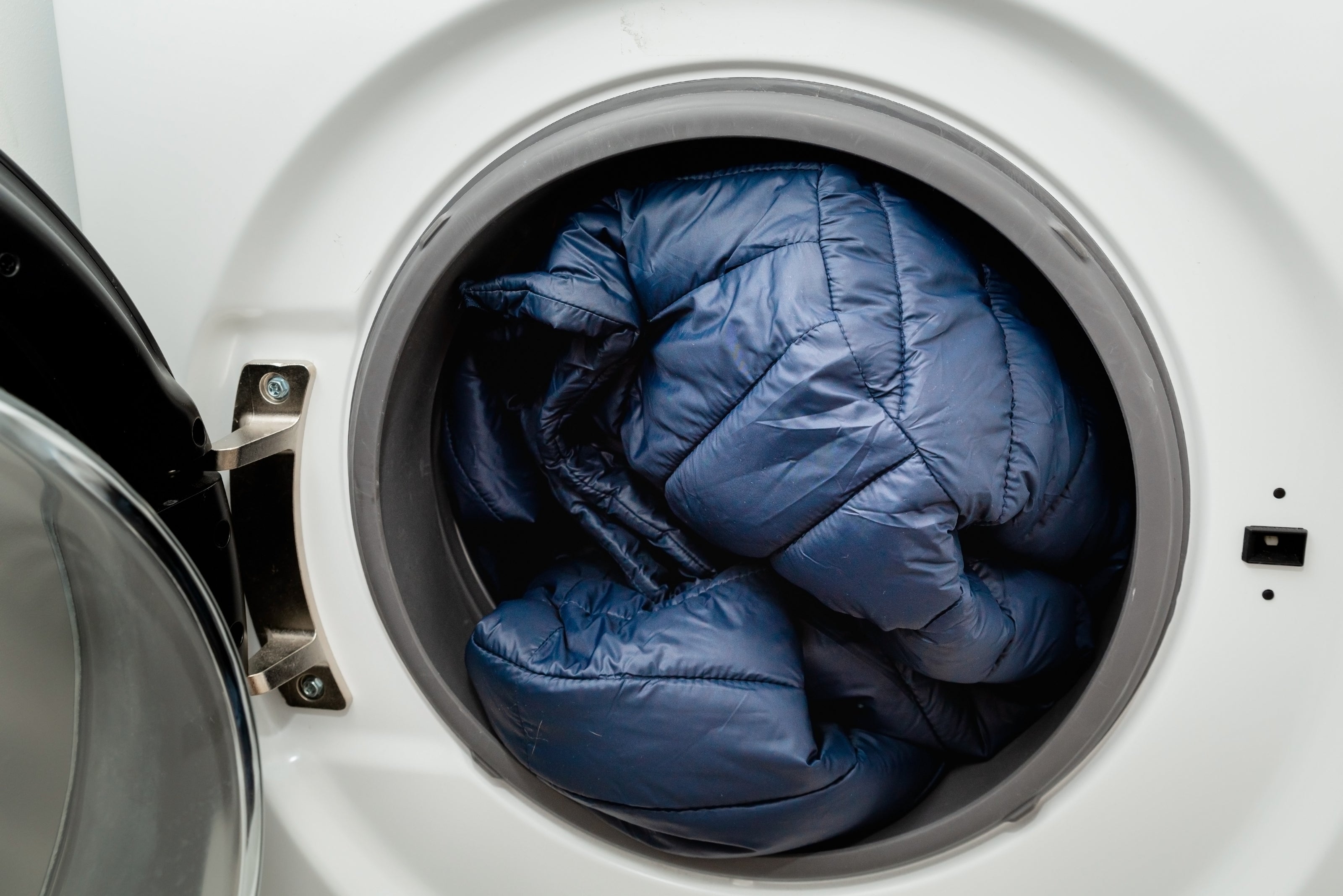
Many waterproof jackets benefit from a short tumble dry on a low heat after washing. The gentle warmth can help reactivate the existing DWR finish, restoring its ability to repel water.
This doesn't replace a reproofing treatment if the DWR has worn away, but it can make a noticeable difference if the jacket has simply lost some of its water repellency through use and washing.
Always check the care label before tumble drying. If it's suitable, a low-heat cycle can help reactivate the existing DWR treatment.If your jacket still absorbs water after washing and drying, it's usually a sign that it's time to reproof.
3. Letting dirt and oils build up
You don't have to cover your jacket in mud for it to become dirty.
Every time you wear it, natural oils from your skin, sunscreen, insect repellent, makeup and everyday grime gradually build up around high-contact areas like the collar, cuffs and hood.
Over time, this layer of contamination affects how the fabric performs. Dirt and oils can block the microscopic pores of waterproof membranes, reducing breathability and making it harder for moisture to escape.
If you've ever noticed your jacket leaking around the neck or shoulders first, it's often not because the fabric has failed. More commonly, those areas simply get more wear so need a good clean and, if necessary, a re-proof. Regular cleaning keeps your waterproofs performing their best.

4. Storing your gear the wrong way
We've all done it. After a day on the trail, it's easy to leave a jacket stuffed into a backpack or crammed into the bottom of the boot.
That's absolutely fine for transporting your gear, but it's not ideal for long-term storage.
Keeping clothing compressed for weeks or months can affect its performance, particularly down-filled jackets and sleeping bags. Down insulation relies on loft, the ability of the feathers to expand and trap warm air. Prolonged compression can reduce this loft over time, meaning less warmth and reduced insulation.
It's also worth making sure your gear is completely clean and dry before storing it. Packing away damp clothing can encourage mould, mildew and unpleasant odours. Then store it loosely in a cool, dry place rather than tightly compressed. Your gear will maintain its loft, dry more effectively and be ready for your next adventure.

A little care makes a big difference.
Technical outdoor clothing is built to withstand tough conditions, but it performs best when it's properly maintained.
By using specialist cleaners, washing your gear regularly, reactivating or restoring the DWR finish when needed, and storing your kit correctly, you'll help your clothing:
- Stay waterproof for longer.
- Remain breathable and comfortable.
- Reduce the need for early replacement, saving money in the long run.
Looking after your gear doesn't take much time, but it can make a huge difference to how it performs when you need it most.